
JBF Mobile Logo
Donate
Blog Content

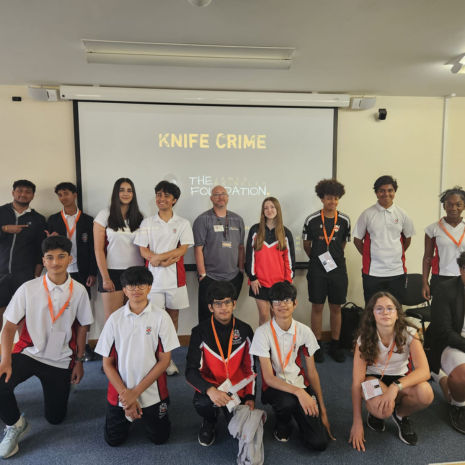
What is really involved in our Knife Crime Awareness Workshops

Since launching our fully funded knife crime awareness workshops in March, we’ve received positive feedback and seen great success. These sessions are popular across various youth settings, especially among those supporting young people through key transitions – such as moving from primary to secondary school – as they promote engagement, critical thinking, and confidence during times of change.

We’d like to take a moment to break down what these workshops involve – not only so you understand what goes into each session, but also why they’re such a vital preventative tool. Addressing knife crime early can help keep young people safe and create meaningful conversations around this serious issue.

Knife crime is a pervasive problem in our society. Every life lost is a painful reminder of the urgent need to tackle this issue. It’s a myth that knife crime only occurs in urban or inner-city areas; it can happen anywhere – in rural and semi-rural regions as well.
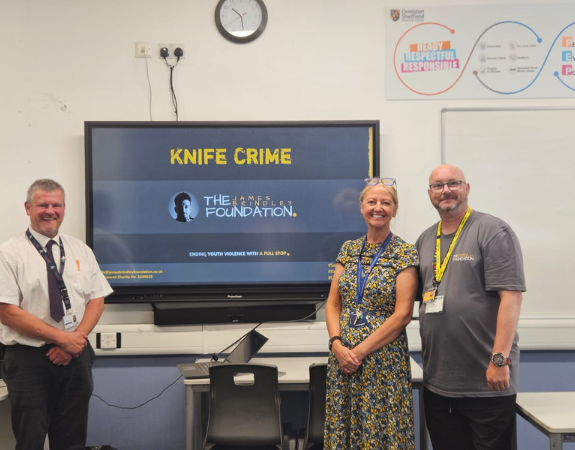
So, let’s answer those frequently asked questions

Do educational organisations have to pay?

The short answer is no. These workshops are fully funded, allowing us to offer them free of charge to schools, youth groups, and other organisations. Our experienced team travels to the venue, with the only requirements being a sufficiently large enough space or classroom to accommodate 15 students and a supportive adult be present during the workshop to help if any issues arise.

What is the age range of young people that you deliver to?

We deliver sessions for ages 11 to 18. This is an ideal time for students transitioning from primary to secondary school, as well as those already navigating secondary education.

How many students do the sessions allow?

We limit each session to 15 students to ensure an immersive and engaging experience. Rather than traditional presentations, our workshops are interactive – designed to be thought-provoking and fun, encouraging students to contribute and absorb vital information.

What’s involved in the sessions?

At The James Brindley Foundation, we do things differently. We don’t believe in lengthy lectures where young people switch off. Instead, our sessions are interactive and immersive, enabling real learning to take place. Without giving too much away, you can expect a variety of engaging activities with a bit of a twist.

This isn’t just about teaching young people not to carry a knife – although, yes, only 4% of young people do so. Our focus is on ensuring young people are well-educated enough to know what to do in a crisis, understand the full consequences of using a weapon, and recognise the vast ripple effects it has on society. We also aim to help them navigate peer pressure and, most importantly, learn how to keep themselves safe if they become faced with a very dangerous situation.

Our goal is for young people to take the lead and share their perspectives; we’re simply here to facilitate. After all, it’s their future that’s at stake.

Are they available across the country?

You might wonder why your child needs to be involved, especially if they’re well-behaved and have a good social circle. But ending youth violence requires collective efforts. Prevention begins with education, and it’s crucial to address the root causes of knife crime – which often stem from complex family, social, and external influences affecting all young people today.

The responsibility to safeguard our children and communities lies with us all. Engaging in these conversations and taking action offers hope for a safer future.